 Forum on Child and Family Statistics
Family and Social Environment Figures
Indicator FAM1.A Birth rates for unmarried women by age of mother, 2013–2023
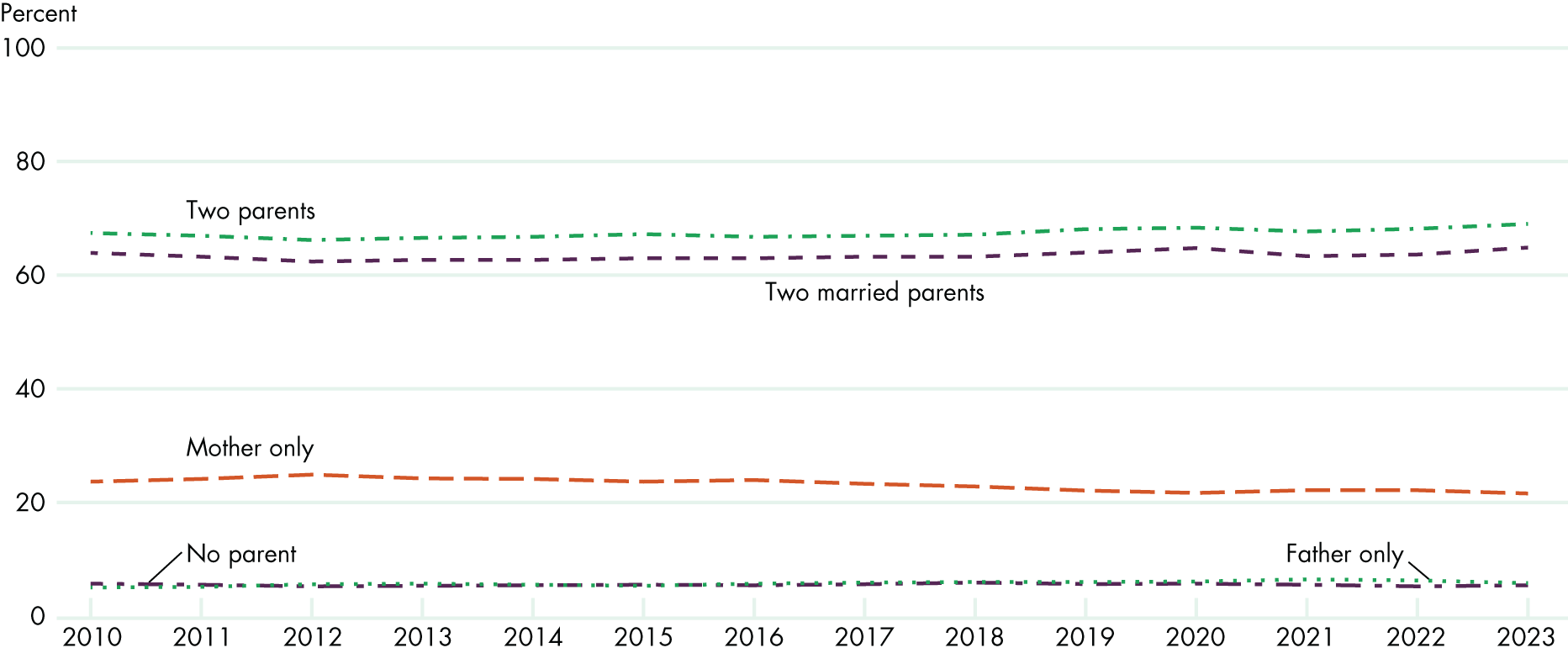
NOTE: Rates for women ages 40–44 are calculated by dividing the number of births to unmarried women age 40 and over by the population of unmarried women ages 40–44.
SOURCE: National Center for Health Statistics, National Vital Statistics System—Natality.
Indicator FAM1.B Percentage of all births to unmarried women by age of mother, 2013 and 2023
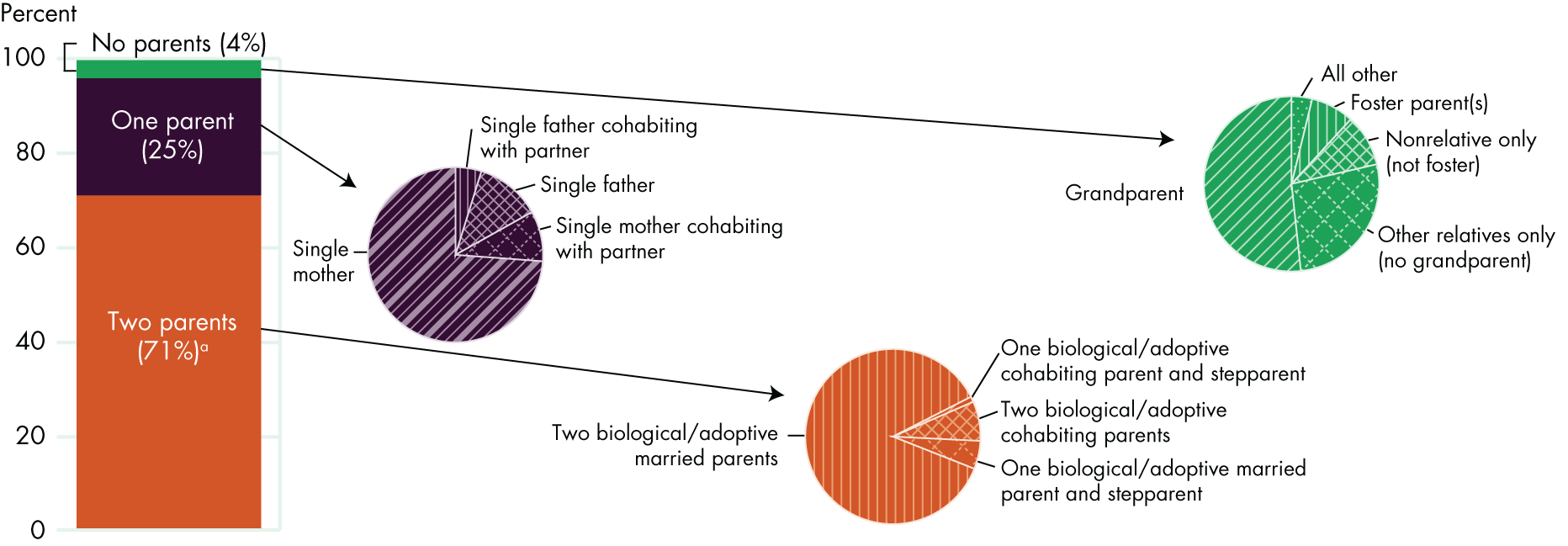
SOURCE: National Center for Health Statistics, National Vital Statistics System—Natality.
Indicator FAM2 Birth rates for females ages 15–17 by race and Hispanic origin, 2016–2023
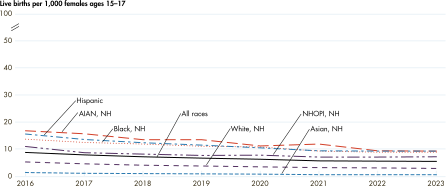
NOTE: NH = non-Hispanic origin; AIAN = American Indian or Alaska Native; NHOPI = Native Hawaiian or Other Pacific Islander. Race and Hispanic origin refer to the mother's race and Hispanic origin. The 1997 U.S. Office of Management and Budget standards for data on race and ethnicity were used to classify people into one of the following five racial groups: White, Black or African American, Asian, American Indian or Alaska Native, or Native Hawaiian or Other Pacific Islander. All categories are single race. Data on race and Hispanic origin are collected and reported separately. People of Hispanic origin may be of any race.
SOURCE: National Center for Health Statistics, National Vital Statistics System—Natality.
Indicator FAM3.A Rate of substantiated maltreatment of children ages 0–17 by age, 2017–2023
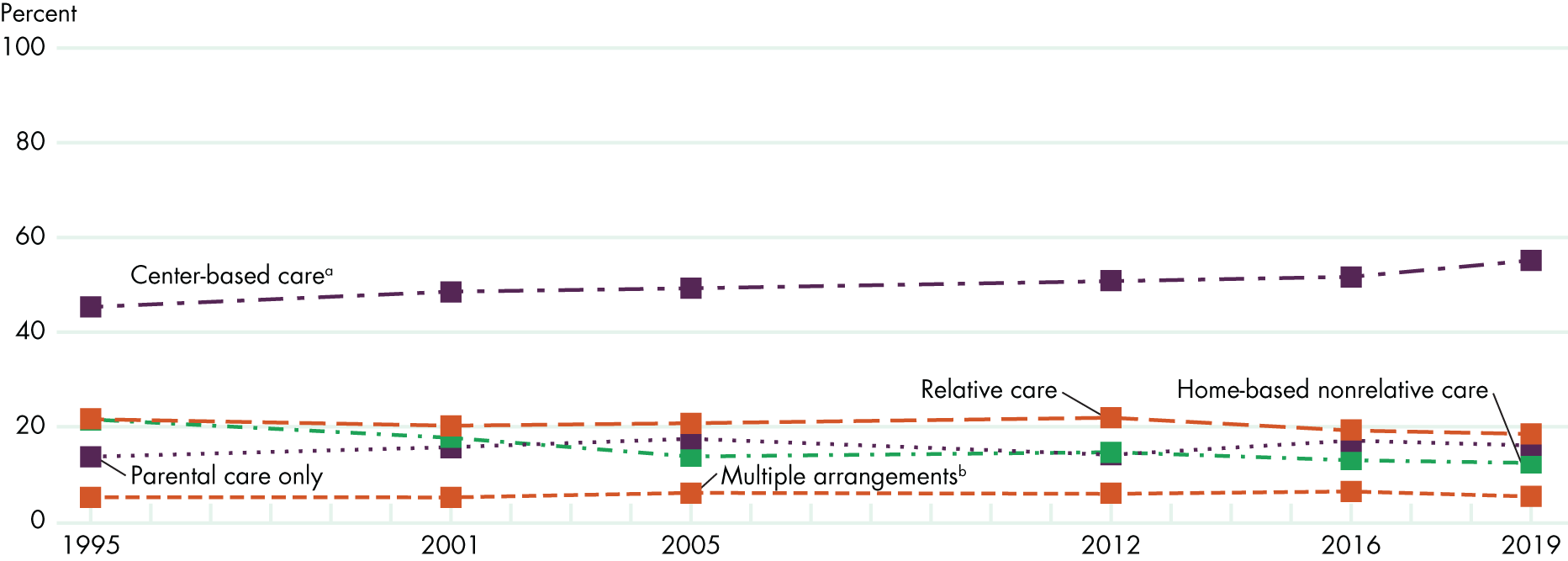
NOTE: The data in this figure are rates of victimization based on investigations and assessments by Child Protective Services that found the child to be a victim of one or more types of maltreatment. The rates are based on unique counts of victims of maltreatment. A unique count includes each child only one time, regardless of the number of times the child was determined to be a victim. Substantiated maltreatment includes the dispositions of substantiated or indicated. This is not comparable with child maltreatment estimates in editions prior to America's Children, 2017, which were based on duplicated rather than unduplicated counts and also included alternative response victims. Alternative response refers to the provision of a response other than an investigation that determines a child was a victim of maltreatment. The number of states reporting may vary from year to year. States vary in their definition of abuse and neglect. The decrease in the rate of victims in 2020 is due in part to the decrease in the number of screened-in referrals from March through June. Additional technical notes are available in Child Maltreatment, which is available at https://acf.gov/cb/data-research/child-maltreatment.
SOURCE: Administration for Children and Families, National Child Abuse and Neglect Data System.
Indicator FAM3.B Percentage of substantiated maltreatment of children ages 0–17 by maltreatment type, 2023
NOTE: Percentages for neglect do not include medical neglect. Medical neglect is reported separately. Bars total to more than 100% because a single child may be the victim of multiple kinds of maltreatment. Substantiated maltreatment includes the dispositions of substantiated or indicated. This is a change from estimates in editions prior to America's Children, 2017, when substantiated maltreatment included dispositions of substantiated, indicated, and alternative response victim. Alternative response refers to the provision of a response other than an investigation that determines a child was a victim of maltreatment. Additional technical notes are available in Child Maltreatment, which is available at https://acf.gov/cb/data-research/child-maltreatment.
SOURCE: Administration for Children and Families, National Child Abuse and Neglect Data System.
Federal Interagency Forum on Child and Family Statistics
